October 2, 2026
Heating, Ventilation, and Air Conditioning (HVAC) systems are crucial components of modern homes and businesses. They ensure comfort by regulating indoor climate, providing warmth during cooler periods, and cooling during hot weather. Beyond comfort, HVAC systems play a pivotal role in maintaining air quality and energy efficiency. Regular inspections are essential to keep these systems functioning optimally, minimizing health risks and avoiding unexpected breakdowns. Hiring professional HVAC repair companies ensures that certified experts evaluate your equipment properly. The focus of this article will delve into why regular HVAC inspections are necessary for the health, safety, and efficiency of any property.
Understand System Components
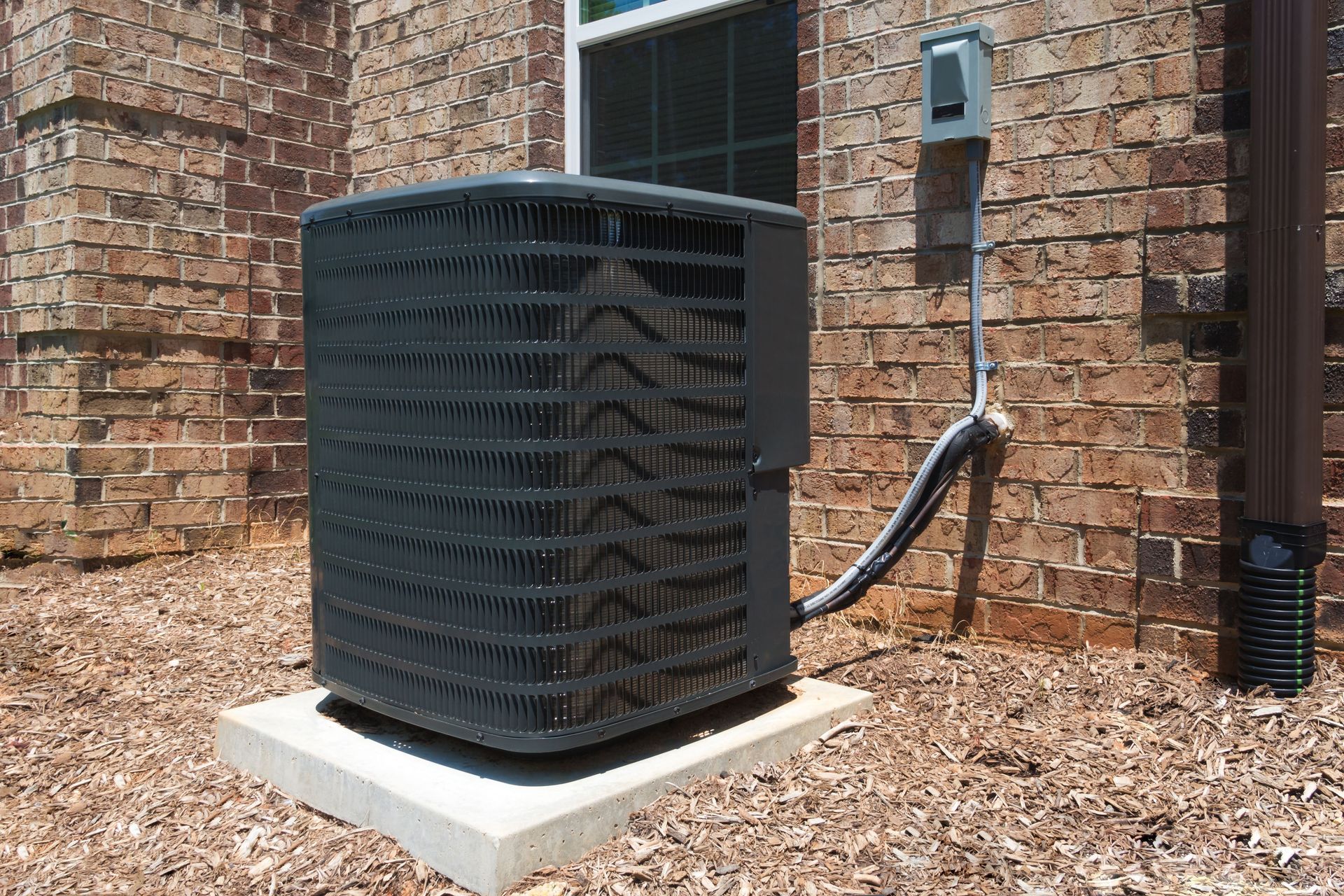
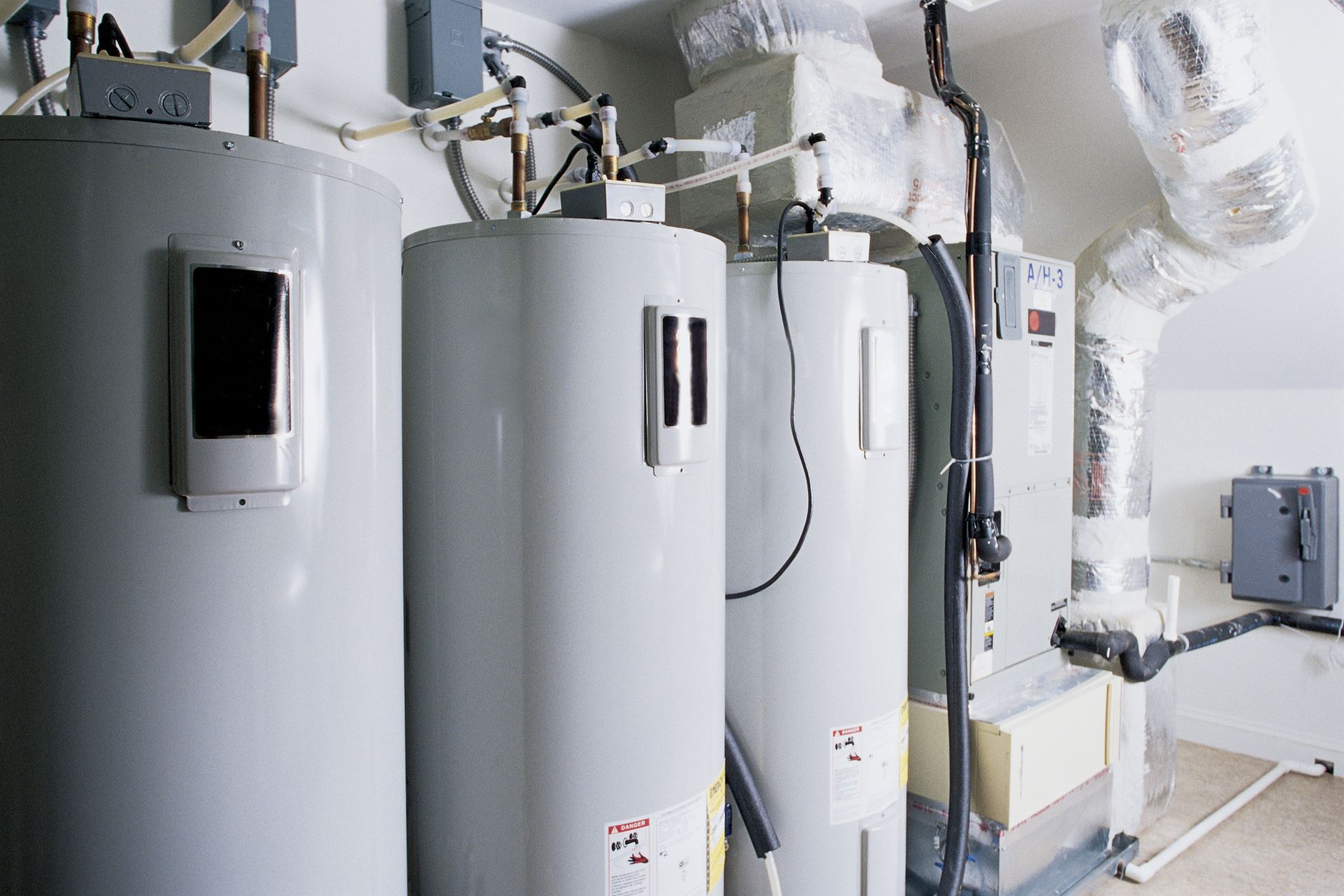
The typical HVAC system comprises several key components, each playing a specific role in the function of the entire system. The furnace is responsible for heating air, the air conditioner for cooling, while the heat pump supports both functions seasonally. Other components include the ductwork for air distribution, the thermostat for controlling the temperature, and the ventilation system. Understanding these parts helps in grasping the importance of regular maintenance to keep each component operational. Without proper attention, issues in any component can cascade and affect the whole system.
Manage System Functionality
HVAC systems are designed to regulate temperature and improve air quality by ventilating outdoor air into the indoor space. By doing so, they also help manage humidity levels, providing a comfortable and healthy environment for occupants. This functionality is pivotal in both residential and commercial settings because it affects the well-being and productivity of the occupants. Additionally, by ensuring appropriate ventilation and filtering air, HVAC systems reduce the prevalence of airborne contaminants. Regular inspections ensure that these critical functions are maintained, highlighting the importance of consistent monitoring and upkeep.
Identify System Types
There are several types of HVAC systems, each tailored to specific needs and architectural setups. Split systems, which include separate indoor and outdoor units, are the most common. Hybrid systems combine gas and electric power, offering versatility and energy efficiency. Ductless systems, suitable for homes without traditional ductwork, and packaged systems where all components are housed in a single unit, provide solutions for various space limitations and environmental conditions. Knowing the type of system in use allows for more precise preventative measures during inspections.
Protect Property Value
In residential settings, HVAC systems are vital for maintaining a comfortable living environment, ensuring that the home remains a sanctuary regardless of outside weather conditions. In commercial settings, these systems are essential for providing a conducive working environment, affecting not only comfort but also the productivity of employees. Energy efficiency is another critical factor, as properly functioning systems reduce operational costs. Regular inspections ensure that both residential and commercial systems operate efficiently, preventing costly energy consumption. Consequently, they are integral to managing both economic and environmental impacts. A well-maintained HVAC system can also play a crucial role in enhancing the resale value of a property, as prospective buyers often prioritize efficient and modern environmental controls.
Address Common Issues
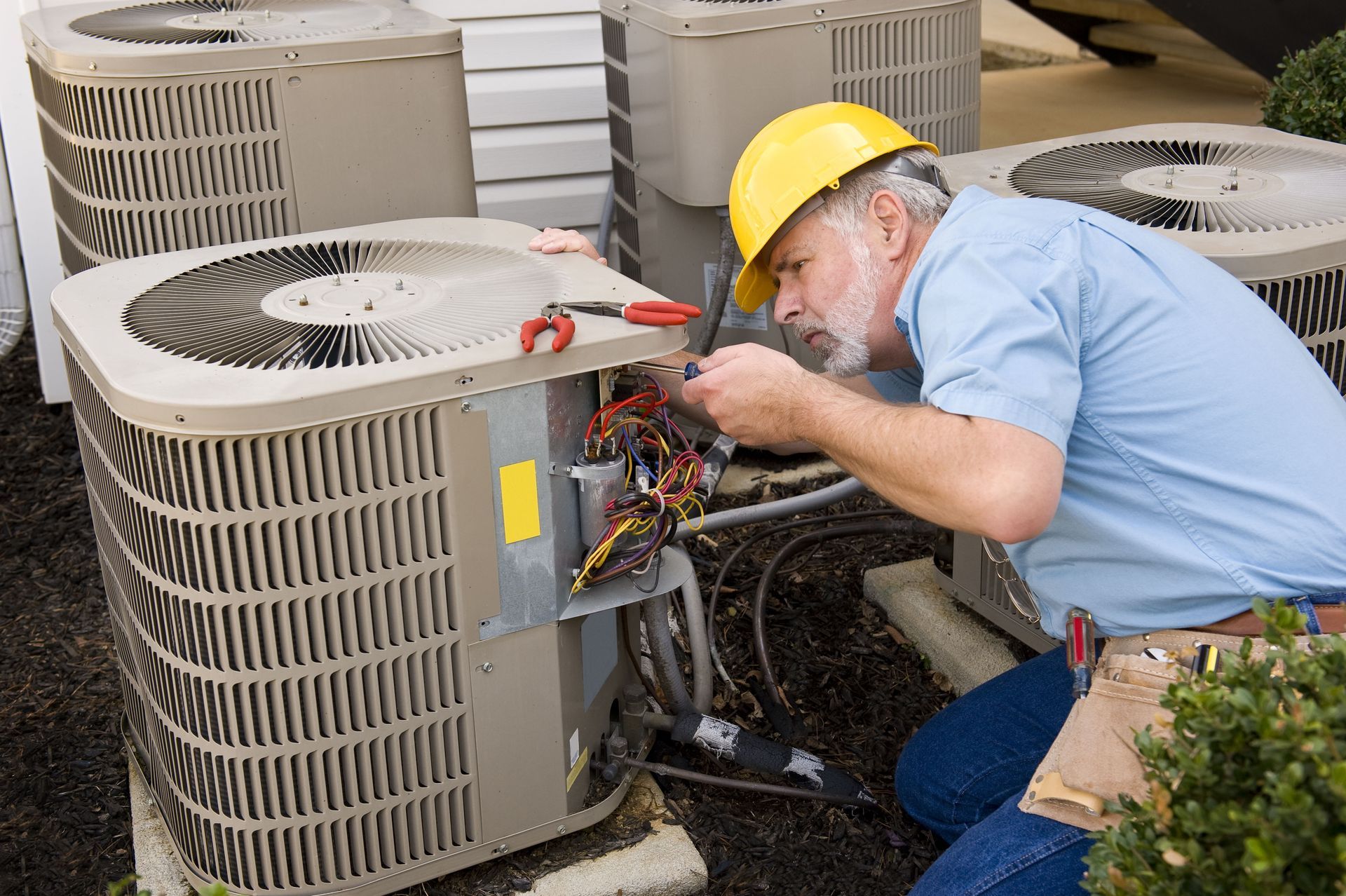
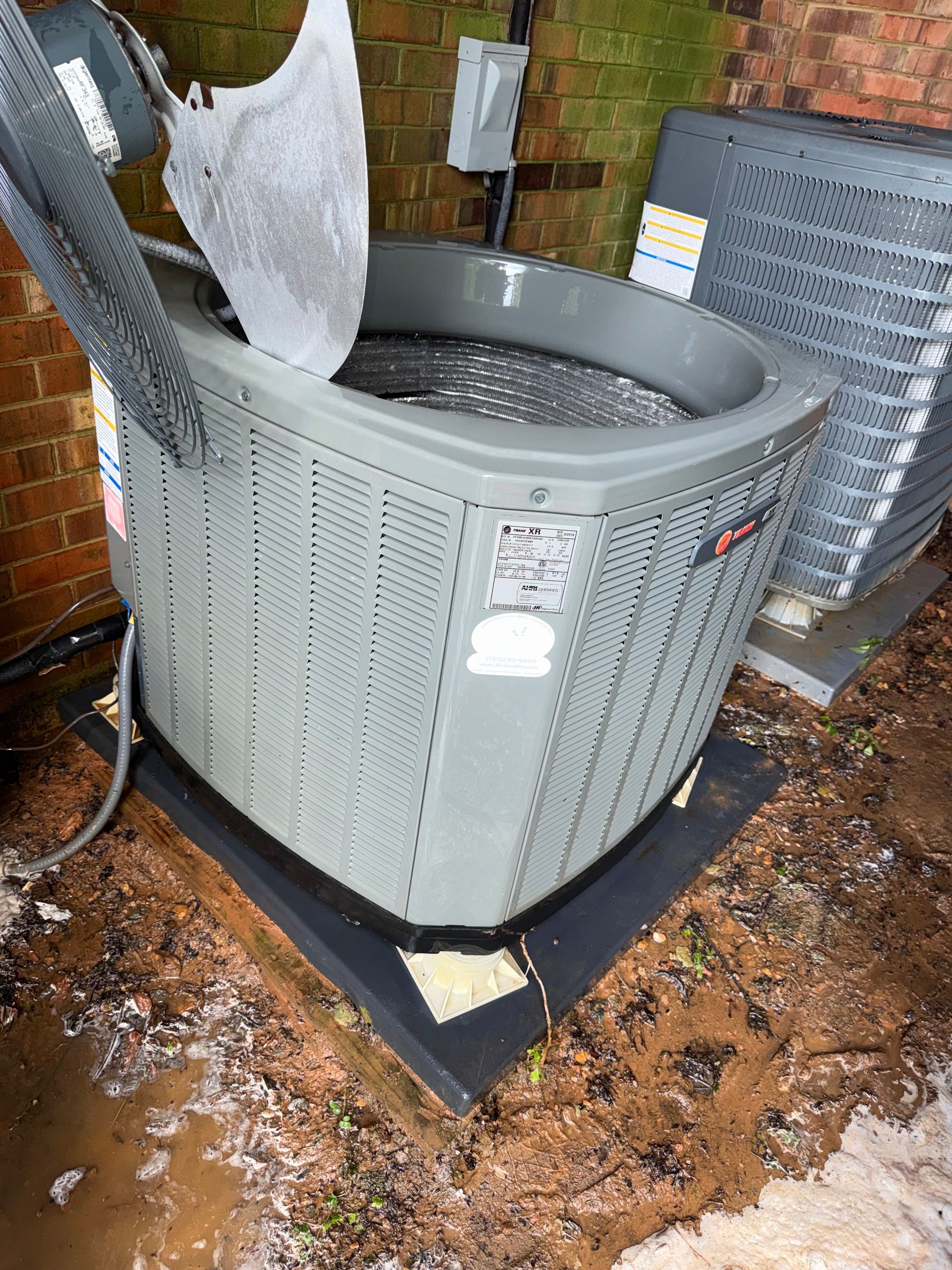
HVAC systems, like any mechanical systems, can face a range of issues that may compromise their functionality. Common problems include refrigerant leaks, which reduce the system's cooling efficiency, and dirty filters that obstruct airflow and degrade indoor air quality. Inadequate maintenance often leads to these failures, resulting in unexpected breakdowns and costly repairs. Additionally, uneven heating or cooling and constant cycling can indicate underlying issues often due to overlooked inspections. Property owners often rely on experienced HVAC repair companies to resolve these problems before they worsen. According to HomeGuide, you can prevent costly problems by having an HVAC technician perform an inspection at least one time every year. Addressing these issues promptly not only maintains indoor comfort but also extends the lifespan of your HVAC equipment significantly.
Detect Dangerous Leaks
Carbon monoxide and gas leaks can have severe, even fatal, consequences if not promptly detected and addressed. These hazards often arise from poorly maintained heaters or faulty gas connections. Regular HVAC inspections incorporate comprehensive checks for such issues, ensuring potential leaks are identified and rectified before they pose a risk. These inspections become a fundamental safety measure, protecting occupants from the dangers of hazardous gases. Early detection is particularly important, as carbon monoxide is odorless and invisible, making it undetectable without proper equipment. Consulting licensed HVAC repair companies is essential when checking for gas leaks or combustion safety issues. Regular training for technicians also ensures that they are up-to-date with safety standards and protocols needed to mitigate these dangers effectively.
Keep Detailed Records
Maintaining thorough records of HVAC inspections helps with warranty claims and legal compliance. These records serve as proof of maintenance, detailing the condition of the system and any repairs or upgrades performed. Proper documentation is invaluable in case of disputes or audits, providing clear evidence of consistent system upkeep. Furthermore, records help technicians track the system's history, enhancing diagnostic and repair efficiency. Keeping detailed records is not just a procedural formality but a strategic approach to managing HVAC system maintenance comprehensively. Trusted HVAC repair companies always provide detailed paperwork following every scheduled inspection. These records also support property managers in scheduling timely follow-ups and preventing potential system failures proactively.
Utilize Modern Tools
The evolution of technology has introduced new diagnostic tools that revolutionize HVAC inspections. Advanced sensors, thermal imaging cameras, and software systems offer in-depth and accurate assessments of system performance. These tools enable technicians to detect issues that were previously undetectable with traditional methods. By leveraging technology, HVAC inspections have become more precise, less invasive, and more efficient. This technological progress ensures that inspections can swiftly identify and address inefficiencies, optimizing overall system performance. Top HVAC repair companies utilize these cutting-edge diagnostics to pinpoint hidden operational errors swiftly.
Train Skilled Technicians
As technology advances, the training and qualification of HVAC technicians have also evolved to include the latest innovations. Modern training programs incorporate new technologies, systems, and methods to prepare technicians for advanced diagnostics and maintenance tasks. Continuous education and certification ensure that technicians remain updated with industry standards and technological advancements. This high level of qualification is crucial to harnessing the full potential of modern HVAC systems and technologies. Many leading HVAC repair companies invest heavily in continuous training programs to ensure superior client services.
Adapt to Local Climates
HVAC inspection schedules should be customized according to geographic and climatic factors unique to a property's location. Areas with extreme temperature fluctuations or higher pollution levels may require more frequent inspections than temperate regions. Likewise, properties in humid, coastal, or arid environments face distinct HVAC challenges that necessitate tailored maintenance strategies. Customizing inspection schedules ensures that specific environmental stressors are addressed adequately. Reputable HVAC repair companies can help structure custom maintenance plans based on regional weather patterns.
Regular HVAC inspections are indispensable for maintaining system efficiency, ensuring comfort, and protecting health and safety. By preventing costly issues and enhancing energy efficiency, these inspections lead to substantial financial savings over time. Regular check-ups address indoor air quality, fire hazards, and compliance with legal standards, creating a safe and healthy environment. Evolving technologies and seasonal considerations further underscore the necessity of a proactive approach to HVAC maintenance. Dedicated to complete customer satisfaction, the experts at Caribbean Cooling & Heating provide top-tier heating and cooling repair, routine maintenance, and full system installation. Take advantage of their free same-day estimates or reliable same-day emergency services by visiting caribbeancoolingheating.com today to schedule your next inspection with one of the top HVAC repair companies.