August 28, 2026
Air conditioning systems are essential for maintaining comfortable indoor conditions in homes and commercial buildings, particularly during periods of extreme heat. When cooling equipment fails unexpectedly, occupants may face uncomfortable temperatures, disrupted routines, and concerns about indoor conditions. An AC repair company plays an important role in responding to these emergencies by identifying problems and restoring system operation as efficiently as possible. Emergency service requires careful coordination, technical knowledge, access to appropriate equipment, and clear communication with customers. Understanding the steps involved in emergency cooling repairs can help property owners know what to expect when an unexpected breakdown occurs.
Responding to the Initial Service Call
Emergency cooling service begins when a customer contacts a repair provider and explains the problem. Many service providers offer extended or around-the-clock availability during periods when cooling failures can create significant disruptions. During the initial conversation, representatives typically ask about the type of system, symptoms, recent performance, and any previous repairs. An AC repair company can use this information to determine the urgency of the situation and prepare technicians for the service call. Details about unusual noises, warm airflow, electrical problems, leaks, or a complete loss of cooling can provide valuable clues before technicians arrive.
Clear communication is particularly important during this stage. Customers may be given an estimated arrival window and general information about what will happen during the inspection. When appropriate, representatives may also provide basic instructions for safely shutting down equipment until technicians arrive. Establishing realistic expectations helps customers understand that some problems can be corrected quickly, while others may require replacement components or more extensive troubleshooting.
Dispatching the Appropriate Technicians
After collecting information, the service provider determines which technicians should respond. Emergency dispatching involves considering technician availability, location, experience, and the type of equipment involved. Sending someone with relevant technical knowledge can reduce unnecessary delays and help the diagnostic process proceed more efficiently. Service vehicles may also carry frequently used replacement components, testing instruments, electrical supplies, and other equipment that technicians could need.
Efficient dispatching becomes especially important during heat waves, when multiple cooling systems may fail within a short period. An AC repair company must prioritize calls while coordinating personnel and resources across its service area. Organized scheduling helps technicians respond to urgent situations without sacrificing the quality of inspections or repairs.
Assessing the Cooling System
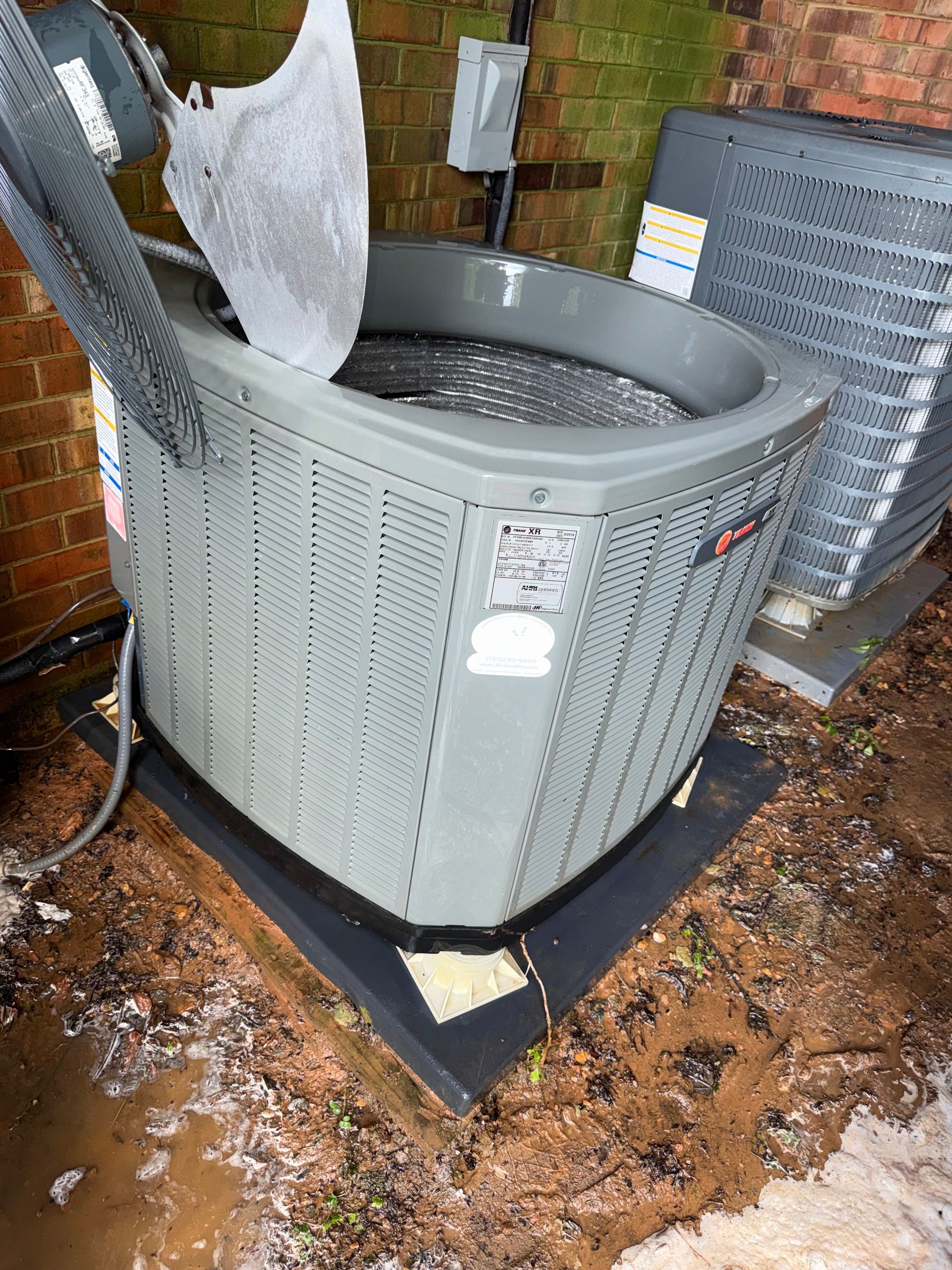
Once technicians arrive, they begin by assessing the condition of the system and gathering additional information from the customer. They may ask when the problem began, whether cooling performance declined gradually or suddenly, and whether the equipment displayed unusual behavior beforehand. A visual inspection can reveal obvious concerns such as damaged wiring, ice accumulation, blocked airflow, leaking components, or debris around outdoor equipment.
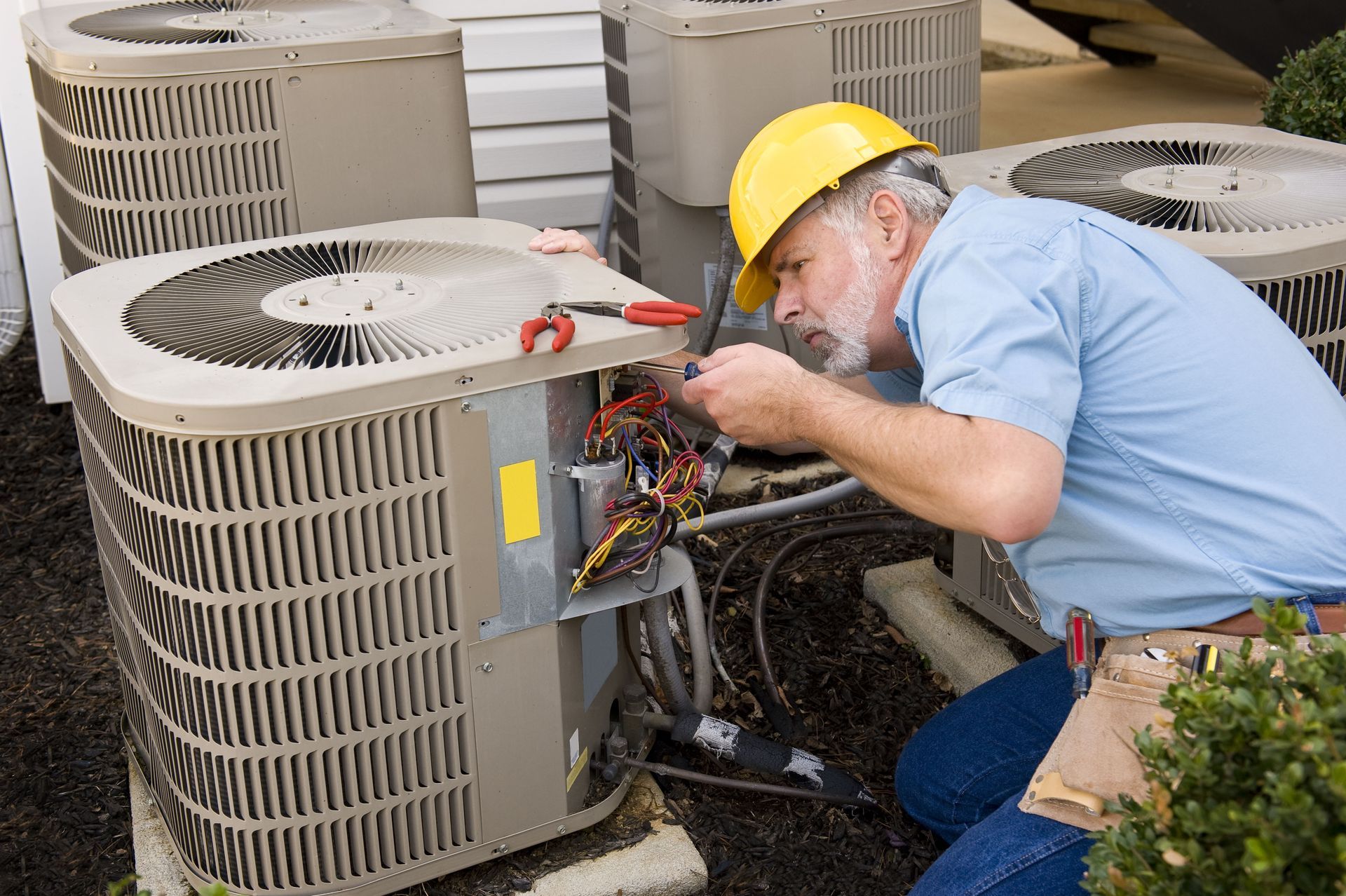
Technicians can then perform more detailed diagnostic procedures. Depending on the problem, they may evaluate electrical connections, thermostat operation, airflow, refrigerant conditions, motors, capacitors, compressors, coils, and other components. Measurements involving temperature, pressure, voltage, or airflow provide objective information that helps isolate the source of a malfunction. Careful diagnosis is important because similar symptoms can sometimes have very different underlying causes.
Identifying Common Emergency Problems
Cooling emergencies can result from numerous mechanical and electrical problems. Refrigerant leaks may reduce cooling capacity, while electrical failures can prevent motors or compressors from operating. Dirty coils, clogged filters, damaged fans, malfunctioning thermostats, frozen evaporator coils, and blocked condensate lines can also interfere with system performance. In more serious cases, compressor problems may prevent the equipment from producing conditioned air altogether.
An experienced AC repair company evaluates the complete system rather than automatically replacing the first component associated with a symptom. For example, a frozen coil could result from restricted airflow, refrigerant problems, or another mechanical condition. Determining the underlying cause reduces the chance that the same problem will quickly return after the initial service visit.
Selecting an Appropriate Repair Strategy
After identifying the problem, technicians determine an appropriate repair strategy. Factors can include the condition and age of the equipment, availability of replacement parts, repair complexity, cost, and the likelihood that the proposed work will provide a lasting solution. Customers should receive an explanation of the findings and recommended work before repairs proceed whenever circumstances allow.
Written estimates can provide additional clarity by identifying anticipated labor, parts, and other charges. If technicians discover another problem after beginning the work, communicating the change before performing additional repairs helps customers make informed decisions. Transparency is especially valuable during emergency situations because customers may already be dealing with uncomfortable indoor temperatures and disrupted schedules.
Completing Emergency Cooling Repairs
Once the customer approves the work, technicians can begin making the necessary repairs. Depending on the diagnosis, this may involve replacing electrical components, repairing connections, correcting drainage problems, restoring airflow, replacing motors, or addressing other mechanical concerns. An AC repair company may maintain an inventory of frequently needed components so technicians can complete common repairs without waiting for separate deliveries.
Not every problem can be permanently corrected during the first visit. Specialized components may need to be ordered, or extensive equipment damage may require additional work. When practical and safe, technicians may discuss temporary options that can reduce disruption until permanent repairs can be completed. The suitability of temporary measures depends on the particular system and the nature of the failure.
Testing the System After Repairs
Completing the physical repair is only one part of emergency service. Technicians should test the system afterward to determine whether it is operating correctly. This process may involve running the equipment through a complete cooling cycle, checking airflow, measuring temperature differences, inspecting electrical operation, and verifying that repaired components function as intended.
Testing can also reveal secondary issues that were less obvious during the initial inspection. Addressing these concerns before leaving may reduce the possibility of another immediate breakdown. Technicians can explain what was repaired, describe the condition of the equipment, and identify maintenance concerns that property owners should monitor in the future.
Maintaining Communication With Customers
Customer communication remains important throughout an emergency service call. Updates about repair progress, unexpected complications, replacement parts, and anticipated completion times help customers understand what is happening. A professional AC repair company can also explain technical problems in straightforward terms so customers do not have to interpret complicated HVAC terminology on their own.
Warranties or service guarantees may apply to certain repairs, depending on the provider and the work performed. Customers should understand applicable terms, what is covered, and what steps to take if the same problem returns. Follow-up communication can also provide an opportunity to confirm that the equipment continues operating normally after technicians leave.
Reducing the Risk of Future Emergencies
Preventive maintenance can help identify developing problems before they cause an unexpected loss of cooling. Routine service may include checking electrical connections, inspecting coils, evaluating refrigerant conditions, clearing drainage components, examining moving parts, and verifying thermostat operation. Property owners can contribute by replacing or cleaning filters according to system requirements and keeping outdoor equipment free from obstructing vegetation and debris.
Customers can also learn to recognize warning signs that warrant professional attention. Weak airflow, unusual noises, repeated cycling, unexpected odors, water near equipment, inconsistent temperatures, or declining cooling performance may indicate a developing problem. Contacting an AC repair company when these symptoms first appear may allow technicians to correct smaller issues before they progress into more disruptive failures.
Handling an emergency effectively requires more than simply replacing a failed component. An
AC repair company combines responsive communication, systematic diagnostics, appropriate repairs, thorough testing, and preventive guidance to restore cooling while helping reduce the likelihood of recurring problems. By understanding this process, homeowners and facility managers can respond more effectively when cooling equipment fails and take practical steps toward maintaining dependable indoor comfort over time. Contact our team at Caribbean Cooling & Heating today and learn more about our AC repair services.